

Catalytic capital for founders building healthier, more inclusive communities.
EQIV was launched to bridge philanthropic mission and entrepreneurial innovation through flexible capital for companies improving health, happiness, empowerment, and well-being.
EQIV is closed to new capital. We continue to steward the portfolio.Our Thesis.
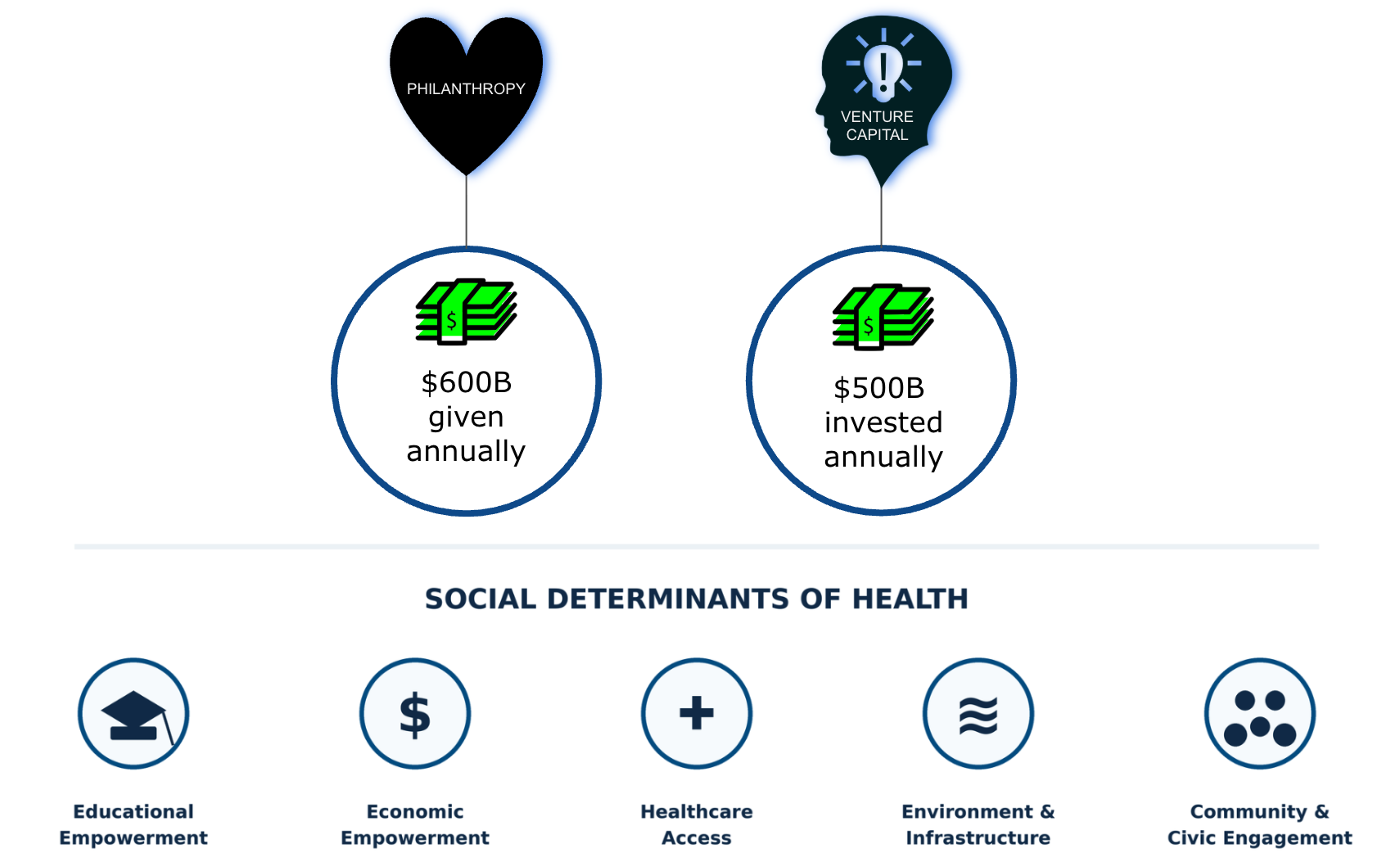
Two powerful engines. One missed opportunity.America has both extraordinary philanthropic generosity and the creative brilliance to innovate. But philanthropy and venture capital rarely work together in a coordinated way.Philanthropy carries mission and long-term purpose, but traditional grants often struggle to fund early-stage innovation with the speed and flexibility founders need.Venture capital brings scale and risk tolerance, but it is rarely designed around community outcomes, social determinants of health, or founders building outside legacy networks.EQIV was created in the gap between these systems.
Thesis: capital can be structured to be more flexible than grants, more mission-aligned than conventional venture, and more responsive to founders building community-rooted solutions – expanding what markets recognize as investable.
Our Portfolio
EQIV invested in founders building companies at the intersection of health, access, sustainability, safety, infrastructure, and economic opportunity.
The portfolio demonstrates the fund’s core thesis: different community problems require different company models, and different company models require different capital structures.

BatteryXChange
Instrument: Catalytic investment note
Focus: Education access, healthcare access, mobile power infrastructure
BatteryXchange expands access to portable charging infrastructure in places where connectivity matters: campuses, healthcare facilities, and public-serving environments.
EQIV backed BatteryXchange because access to power is no longer a convenience issue. It is part of how people stay connected to education, healthcare, transportation, employment, and emergency communication.
Capital lesson: Infrastructure does not have to be massive to be meaningful. Sometimes the right intervention is small, distributed, and placed where access breaks down.
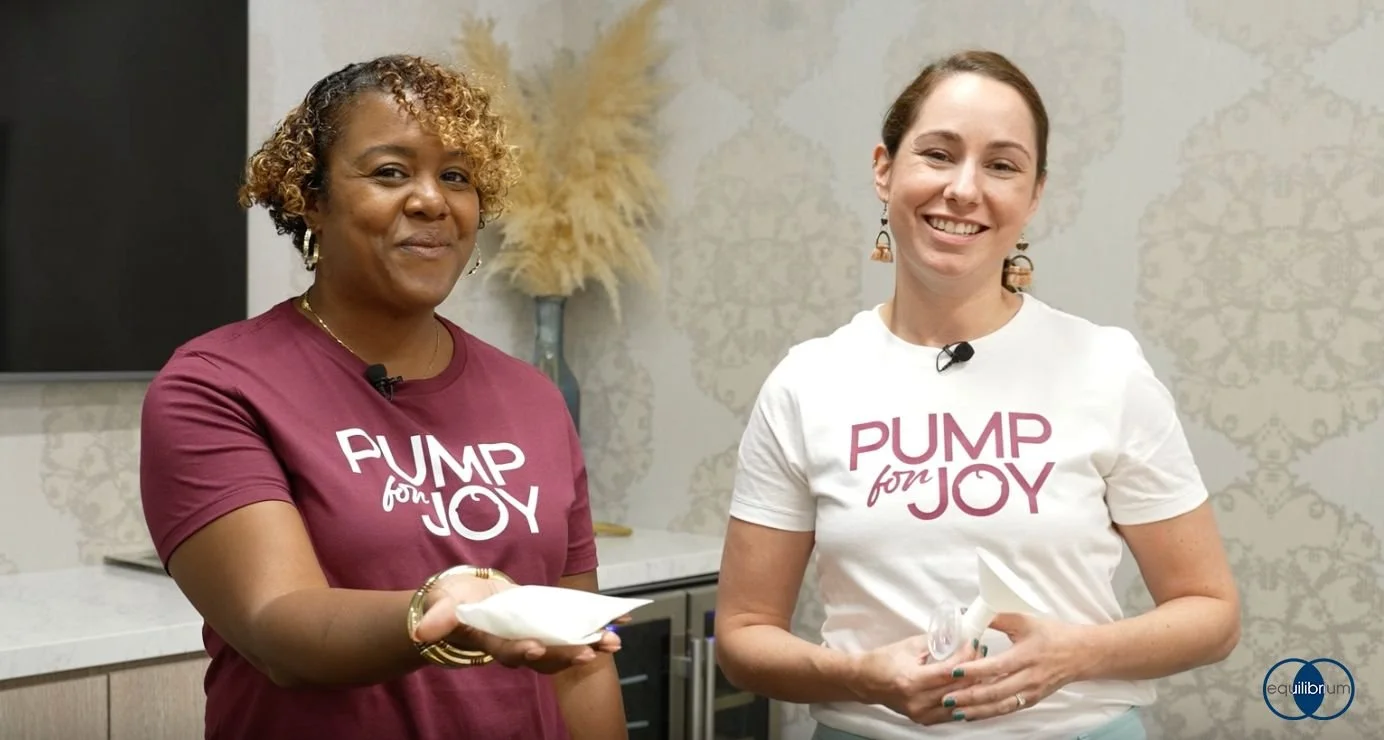
Pump For Joy
Instrument: Regulation Crowdfunding anchor investment
Focus: Maternal health, consumer health innovation, biodegradable products
Pump for Joy is building disposable, biodegradable breast milk collection kits for moms on the go.
The founders needed a capital pathway that would support product development without forcing premature ownership loss. EQIV helped them evaluate non-extractive fundraising options, supported their Wefunder campaign, and invested $50,000 as the anchor commitment.
That anchor investment allowed the campaign to open with its minimum threshold already met, creating early momentum, unlocking access to capital, and inviting community investors into the company’s growth.
Capital lesson: The right fundraising structure can restore founder confidence, preserve ownership, and turn community belief into usable capital.

Renaissance Fiber
Instrument: Short-term catalytic loan
Focus: Rural economic development, environmental infrastructure, domestic textile supply chains
Renaissance Fiber is building clean hemp fiber refining infrastructure in North Carolina.
EQIV provided a $75,000 short-term catalytic loan to support the initial buildout of Renaissance Fiber’s refining operations in Mocksville, NC. The investment helped the company scale its proprietary process for turning U.S.-grown hemp into cotton-compatible textile fiber.
This was fit-for-purpose capital: targeted debt matched to a defined infrastructure need, helping unlock production capacity and strengthen a more transparent farm-to-fabric supply chain.
Capital lesson: Not every founder needs venture capital. Sometimes the right structure is short-duration debt that helps a company cross a specific operating threshold.

Just Her Rideshare
Instrument: Catalytic investment note
Focus: Gender safety, transportation access, economic mobility
Just Her Rideshare was built around a clear problem: transportation systems do not serve everyone with the same level of safety, trust, or dignity.
The company created a rideshare platform centered on women’s safety and mobility, giving riders and drivers greater agency in how they moved through the world. In a difficult, incumbent-dominated industry, Just Her helped make visible a market need that larger platforms had long under-addressed.
EQIV backed Just Her because access to safe transportation is access to work, healthcare, education, autonomy, and opportunity.
Capital lesson: Catalytic investments should be measured not only by whether a startup displaces an incumbent, but by whether it shifts markets, validates overlooked needs, and expands what an industry is forced to recognize.
What EQIV Demonstrated
EQIV was launched to test whether catalytic capital could bridge philanthropic mission, entrepreneurial innovation, and community-rooted impact.
The fund demonstrated the thesis in practice.
-
Different founders needed different tools. EQIV deployed equity, Regulation Crowdfunding support, investment notes, and short-term debt based on company stage, founder need, risk profile, and use of funds.
-
The portfolio companies were not side projects or charitable interventions. They were businesses addressing real social determinants of health, including maternal health, transportation access, healthcare access, educational access, rural economic development, and environmental infrastructure.
-
EQIV supported companies through governance, advisory support, fundraising strategy, network access, and strategic guidance informed by the lived experience of exited founders and operators.
-
The fund backed women, Black, and Brown entrepreneurs building from direct insight into overlooked problems and underserved markets. That proximity was not incidental to the thesis. It was part of how value became visible.
-
EQIV continues to actively steward the portfolio through governance, advisory support, founder engagement, LP communication, returns management, and potential capital recycling.
Founder-first was not a slogan.
It was lived experience.
EQIV is led by three general partners who are themselves founders, operators, and exited entrepreneurs.
The team understood fundraising from both sides of the table. They knew what it feels like to build before the market fully understands the opportunity. They knew how bad terms, extractive advice, and premature ownership pressure can weaken a company before it has the chance to prove itself.
That lived experience shaped how EQIV worked with founders.
Founder-first meant helping entrepreneurs understand their options, protect ownership where appropriate, navigate investor dynamics, and choose capital structures aligned with their actual needs.
It also meant showing up beyond the check – through board service, advisory support, network access, fundraising guidance, and strategic counsel.

Dr. Shanté Williams

Dr. Shanté Williams is a distinguished venture capitalist, business owner, inventor, intellectual property strategist and private investor.
Co-Founder & General PartnerKasem Rodriguez Mohsen
Kasem Mohsen designs and governs systems that determine how institutions move capital with integrity. His work sits at the intersection of philanthropy, investment, and public finance.
Co-Founder & General Partner
Co-Founder & General PartnerAdrian Smith
Adrian Smith is a multiple-time founder, former foundation executive and is currently the Owner & Founder of Robert Rust Foods, a successful food CPG company.
Where these lessons lead.
EQIV was an experiment designed to test whether catalytic capital could bridge philanthropic purpose, entrepreneurial innovation, and community-rooted impact.
The lessons from that experiment now inform our work designing collaborative capital systems through LION Strategies and stewarding those systems through Willohsen Capital.